Stop guessing prompts: read an image in seven layers
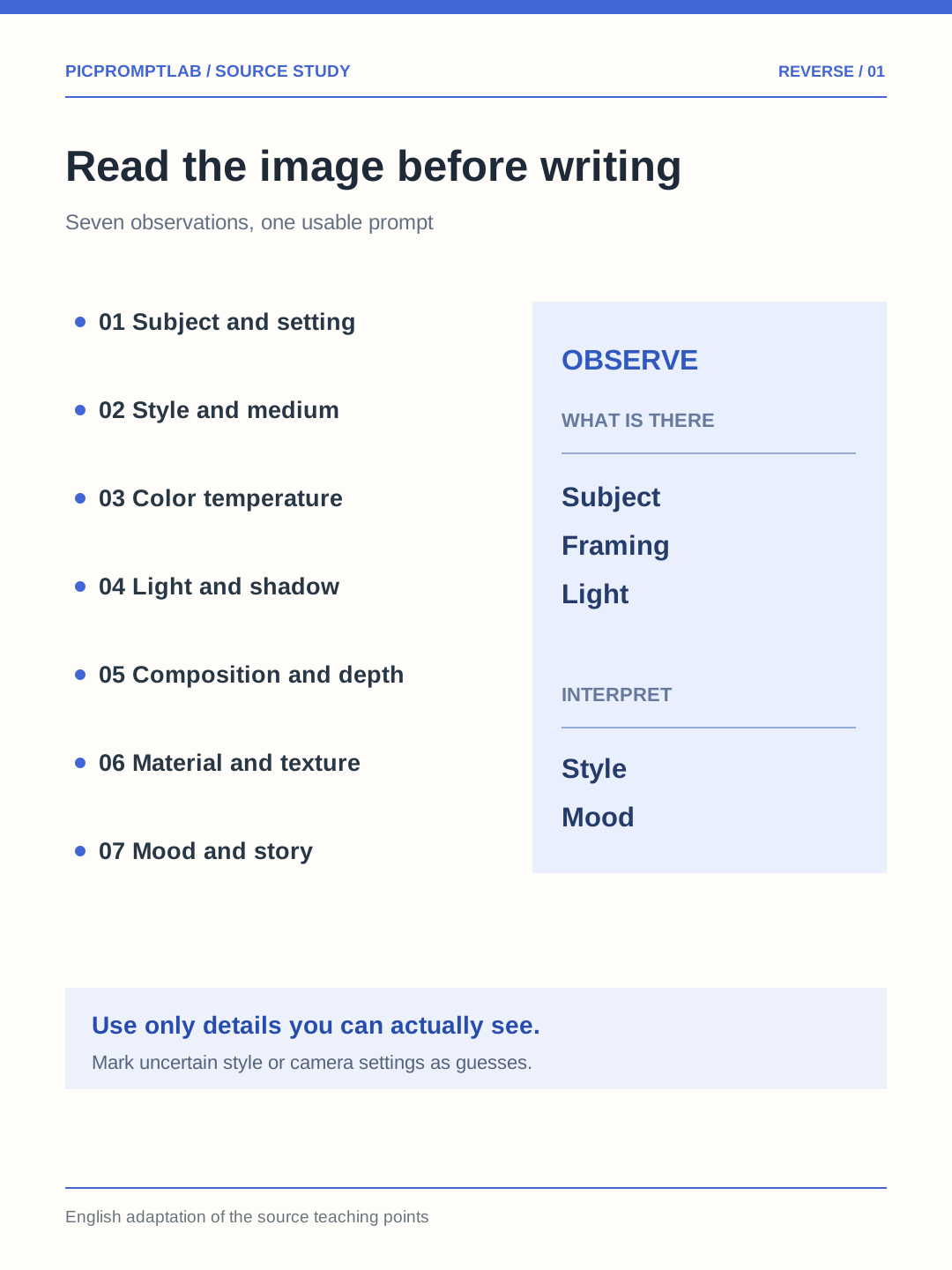
Read the subject, style, color, light, composition, texture, and mood before writing a prompt you can actually edit.
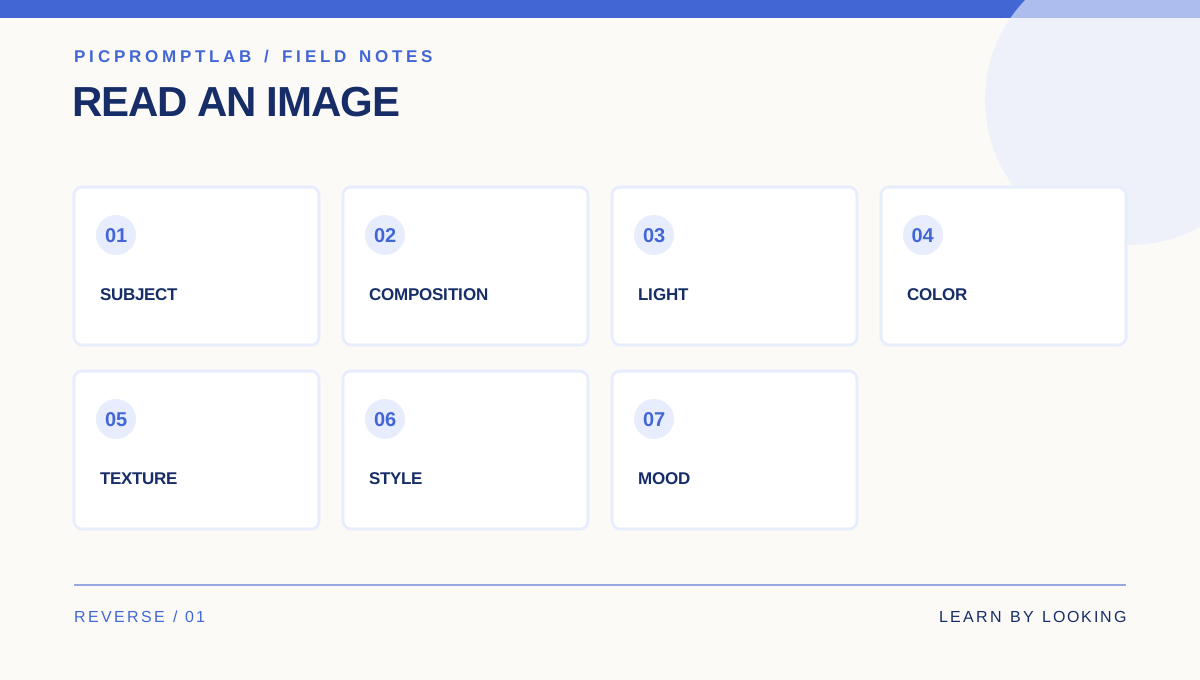
- Turn “make it like this” into seven concrete observations
- Separate what is visible from a guessed style label
- Change one dimension at a time to see what works
01 / 03
Describe what you see before how it feels
Begin with reliable observations: what the subject is, where it sits, and how the frame crops it. Add color, light, and material. Save mood words such as “nostalgic” for last. The image structure then survives a model change.
02 / 03
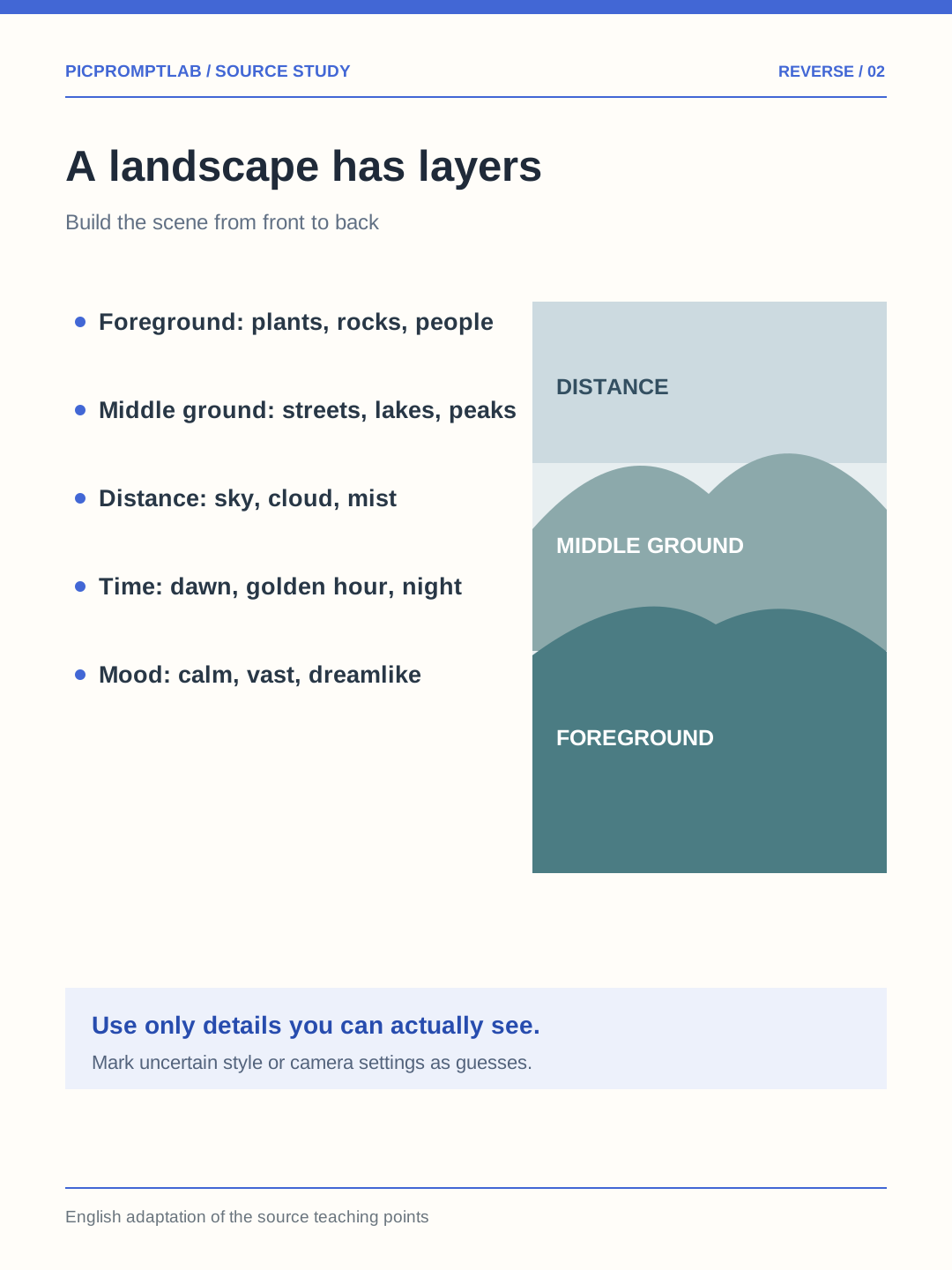
Read a landscape from front to back
The source separates a landscape into foreground, middle ground, distance, time and light, and mood. Describe identifiable objects nearby, then the main scene and distant sky. Put sunset or mist in the lighting layer. Combine those observations into a prompt instead of asking for a “beautiful landscape.”
Analyze this reference image. List the visible subject, composition, lighting, colors, materials, and mood. Mark uncertain details as guesses. Then write one image-generation prompt in English and a Chinese version. Do not add objects absent from the reference.
03 / 03
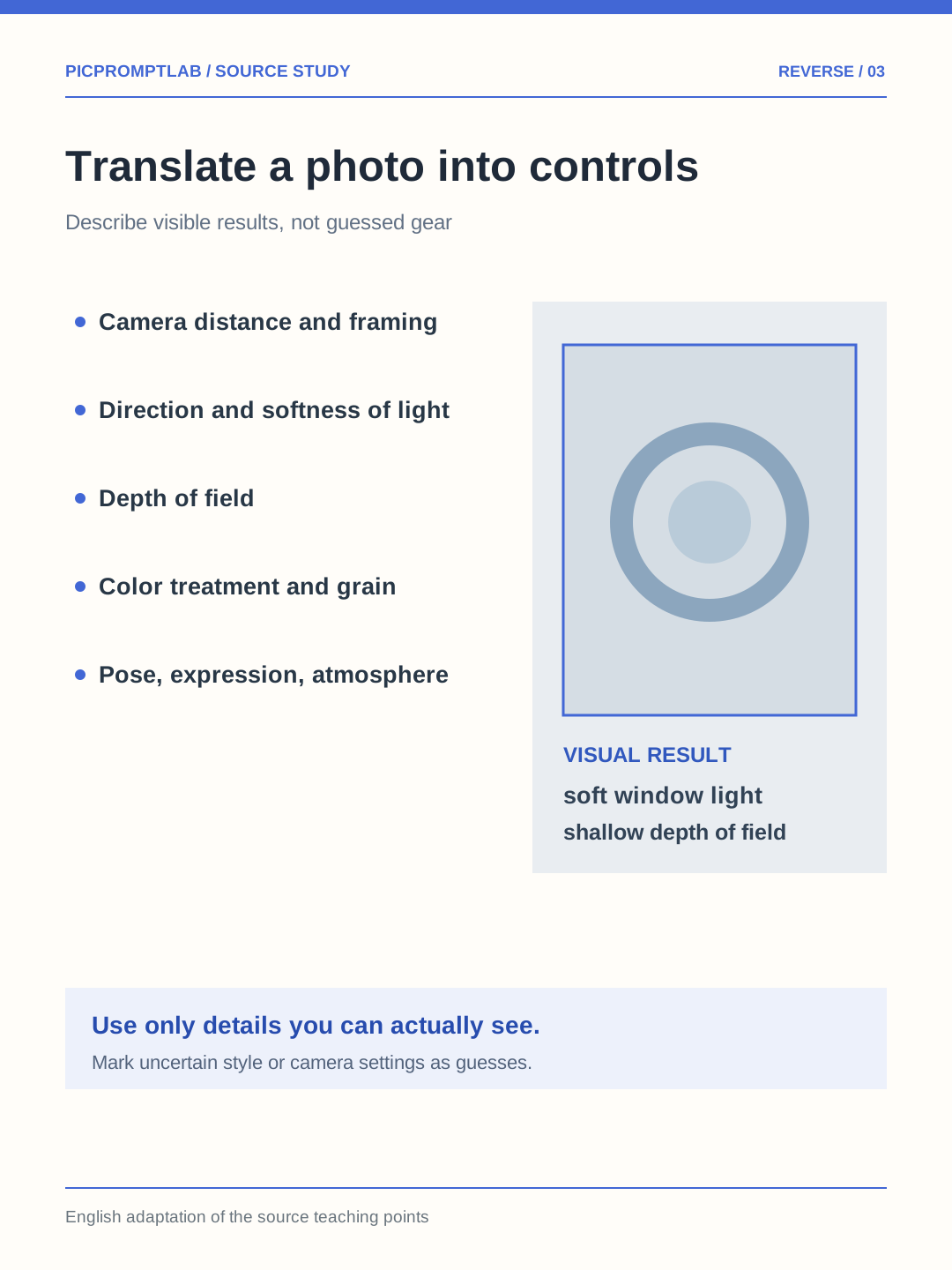
For photography, describe visible results
The source lists focal length, lighting, depth of field, color treatment, composition, and post-processing. Begin with what the image actually shows: a close crop, shallow depth of field, soft window light, or grain. Exact focal lengths and film stocks can be useful creative directions, but they are not facts you can always infer from the pixels.