Study a city poster, then change the city
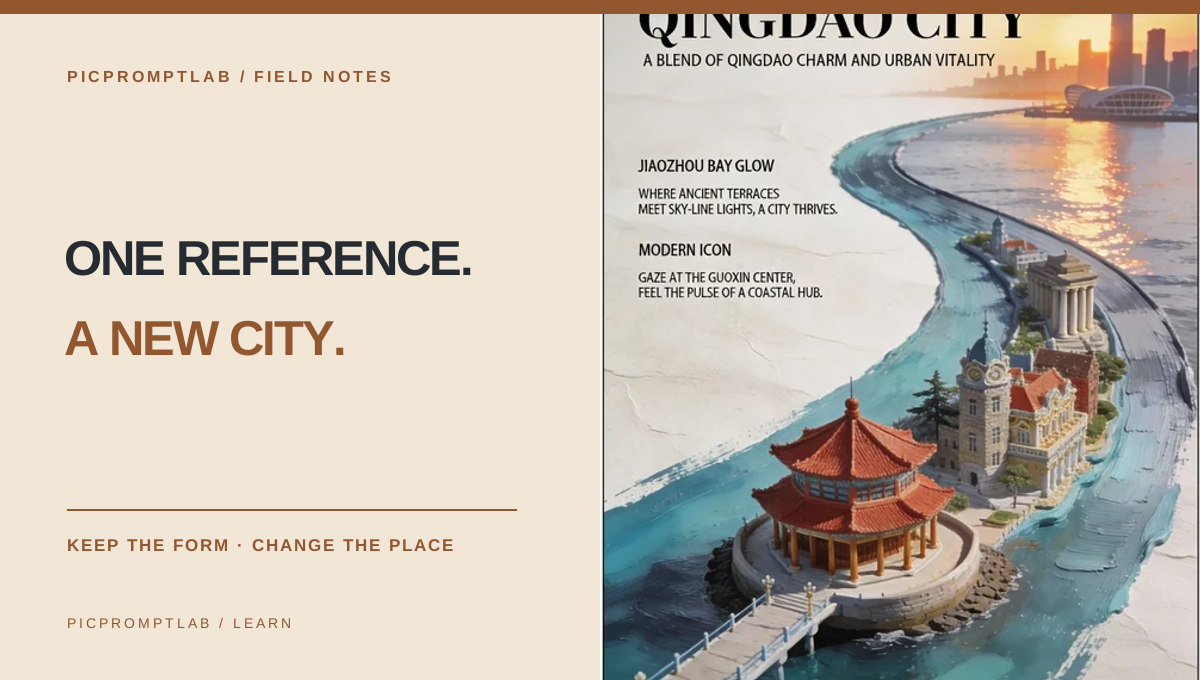
Separate landmark, sweeping line, and layout so one reference can become a repeatable poster system.
- Describe the layout before the landmark
- Keep series rules while swapping city variables
- Review poster typography after generation
01 / 03
Identify the parts that should stay fixed
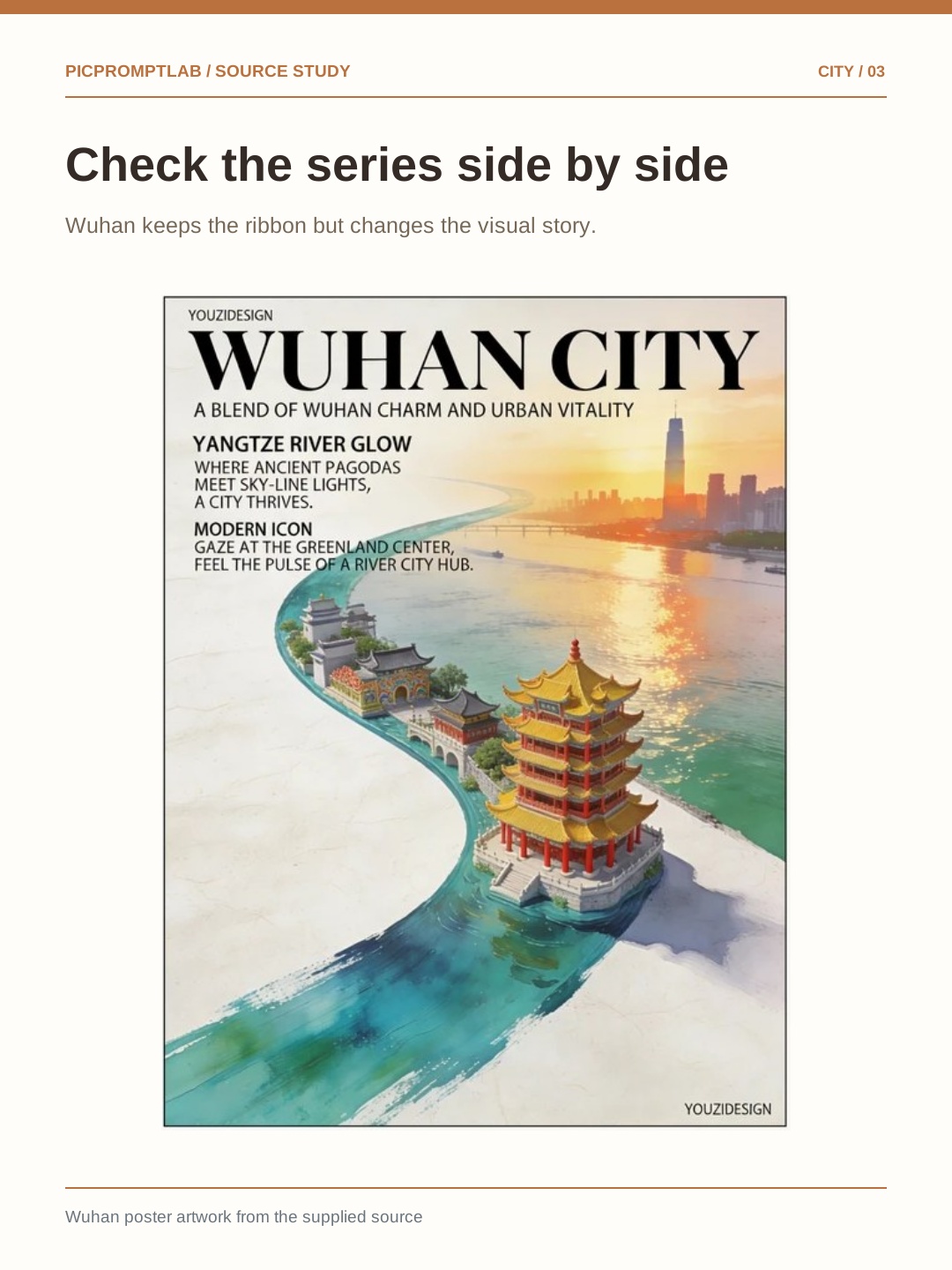
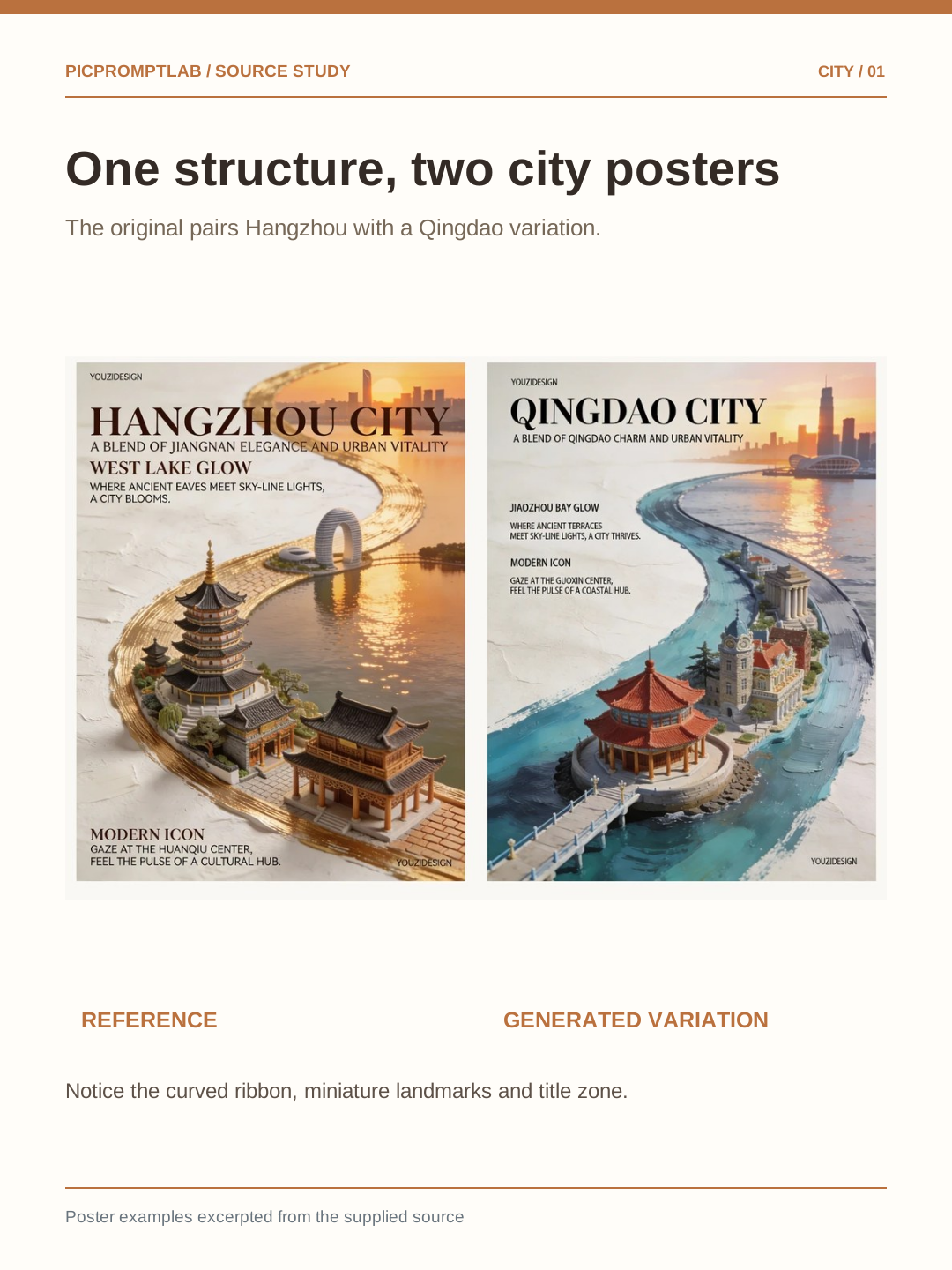
The source series repeats a vertical ivory canvas, a large title near the top, a curved landscape ribbon, and miniature landmarks. Write down those layout rules first. Avoid copying every detail of the original city into the next image.
02 / 03
Swap only the city-specific ingredients
Make a short list: city name, two or three recognizable landmarks, a river or street motif, season, and dominant color. For a Hangzhou-to-Nanjing variation, keep the curved ribbon and miniature viewpoint while changing the landmarks, river motif, and palette. The result extends a system instead of copying pixels.
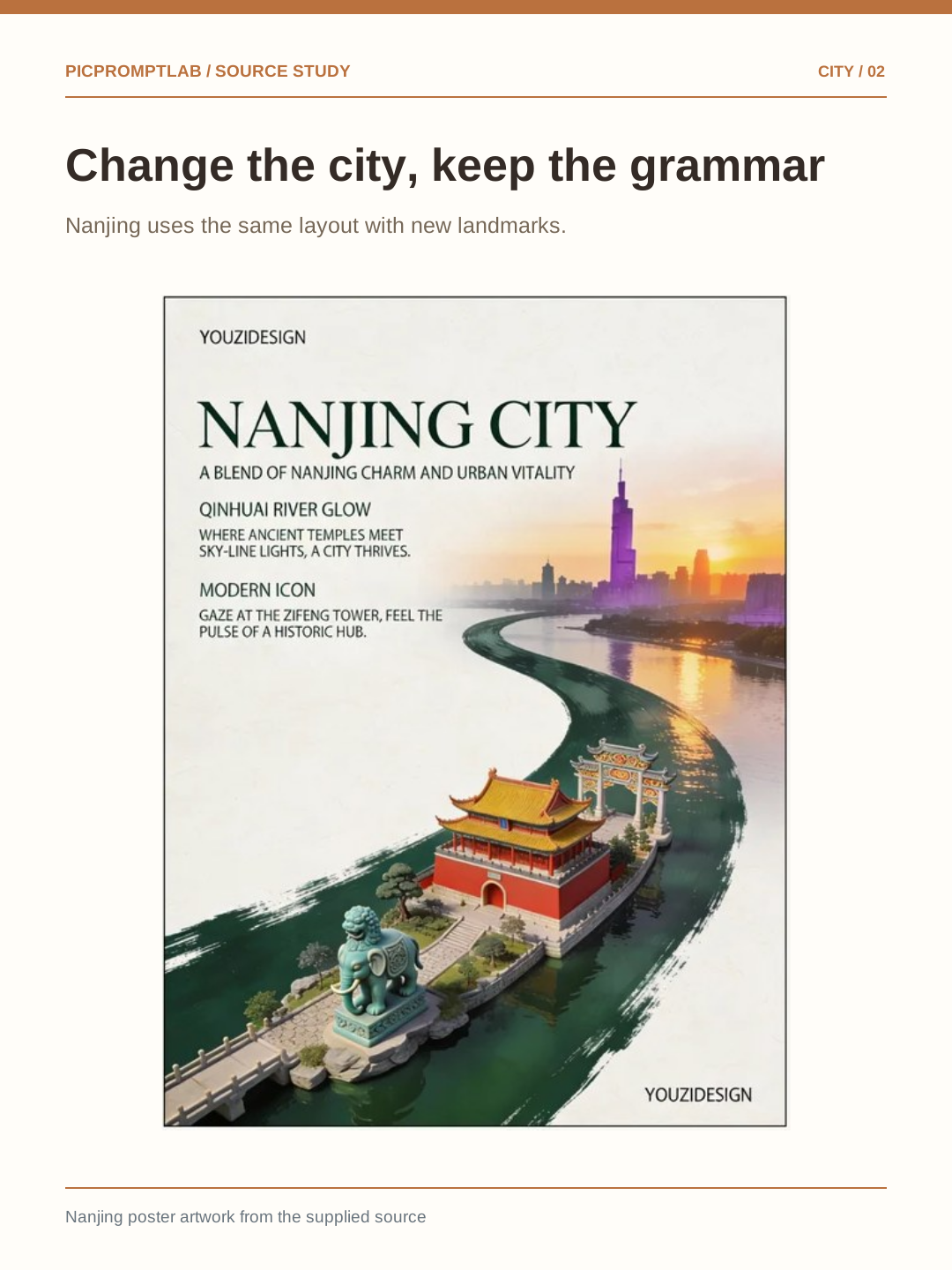
Use the reference poster for layout structure, not for its specific buildings. Create a vertical Nanjing city poster on an ivory background: a curved landscape ribbon rising from lower left to upper right, miniature architectural forms, warm golden evening light, and generous negative space. Include recognizable Nanjing landmarks. Reserve a title zone at the top; do not render exact text yet.
03 / 03
Finish typography and check series consistency
Image models can misspell titles or place them over landmarks. Generate a clean base image, then set the city name and subtitle in a design tool. Compare posters side by side: aspect ratio, title placement, ribbon direction, and light should feel related while landmarks distinguish the cities.